
Civic Education and Community Engagement
Civic education and community engagement are not about ideology. They are about understanding how local systems actually function and how individuals and organizations can participate effectively within them. Without clear pathways and shared understanding, participation becomes fragmented and ineffective, even when there is strong interest and energy. This work focuses on creating clarity, access, and practical avenues for meaningful local engagement.
What This Work Focuses On
This initiative focuses on practical civic education and community engagement at the local level, with an emphasis on:
• Understanding municipal and state level structures
• Clarifying how local committees, boards, and organizations influence outcomes
• Developing informed, capable participants rather than passive supporters
• Creating pathways for youth and new participants to engage early and effectively
• Supporting collaboration across groups without requiring ideological conformity
The goal is not messaging.
The goal is competence.
Sustainable political change does not start at the statehouse. It starts locally, where people learn how decisions are made, how influence is exercised, and how communities organize over time.
Local engagement creates:
• Stronger candidates
• Better informed voters
• More resilient organizations
• Continuity beyond election cycles
Without local education and infrastructure, energy dissipates. With it, growth compounds.
Why Local Matters
The Cranston Model
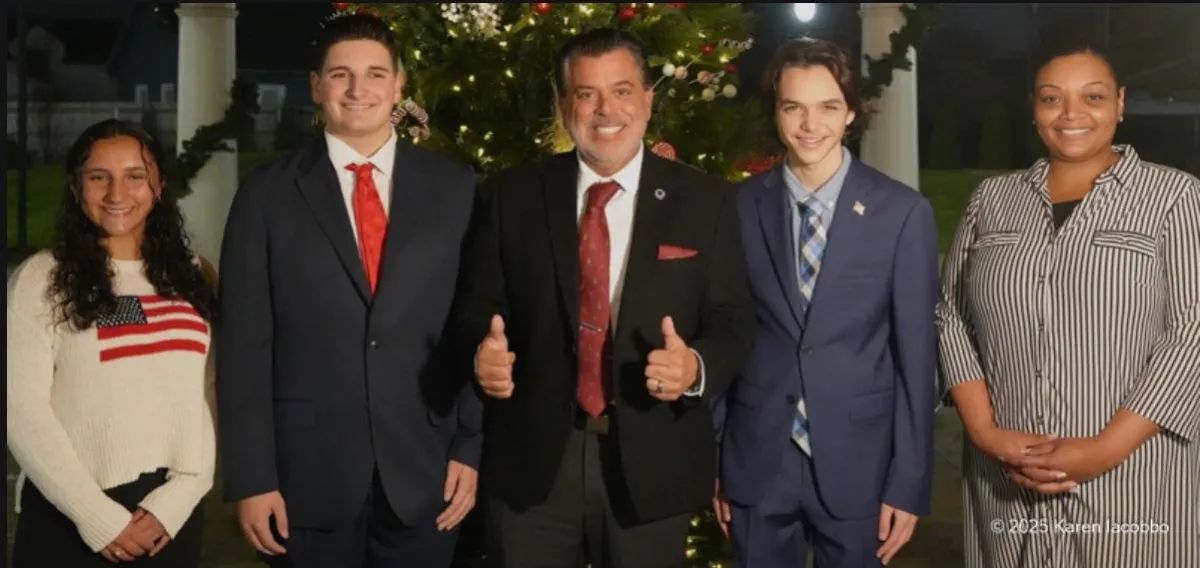
In Cranston, civic engagement is not siloed. The Cranston Young Republicans operate as an integrated subgroup within the city committee, bringing younger voices directly into the same structure that includes city committee leadership, city council members, school committee members, state representatives, the mayor, local business owners, and families. This ensures that conversations about Cranston’s direction and priorities include representation from across generations and sectors within the community.
A core component of this model is intentional investment in younger generations. Cranston places emphasis on mentoring, stewarding, and preparing young people to become informed leaders and active community members not only now, but well into the future. Youth engagement is treated as a leadership pipeline, not an afterthought.
This integrated approach, bringing together youth organizations and formal city governance structures, represents a new model of local civic coordination. By aligning education, engagement, and representation, Cranston is piloting a framework that can serve as a blueprint for how city government and local political organizations can function more effectively in the future.
This work is collaborative, practical, and focused on long term capacity rather than short term wins.